Tohoku's sacred mountains, Kanazawa's unspoiled Edo streets, and Shirakawa-go snow villages
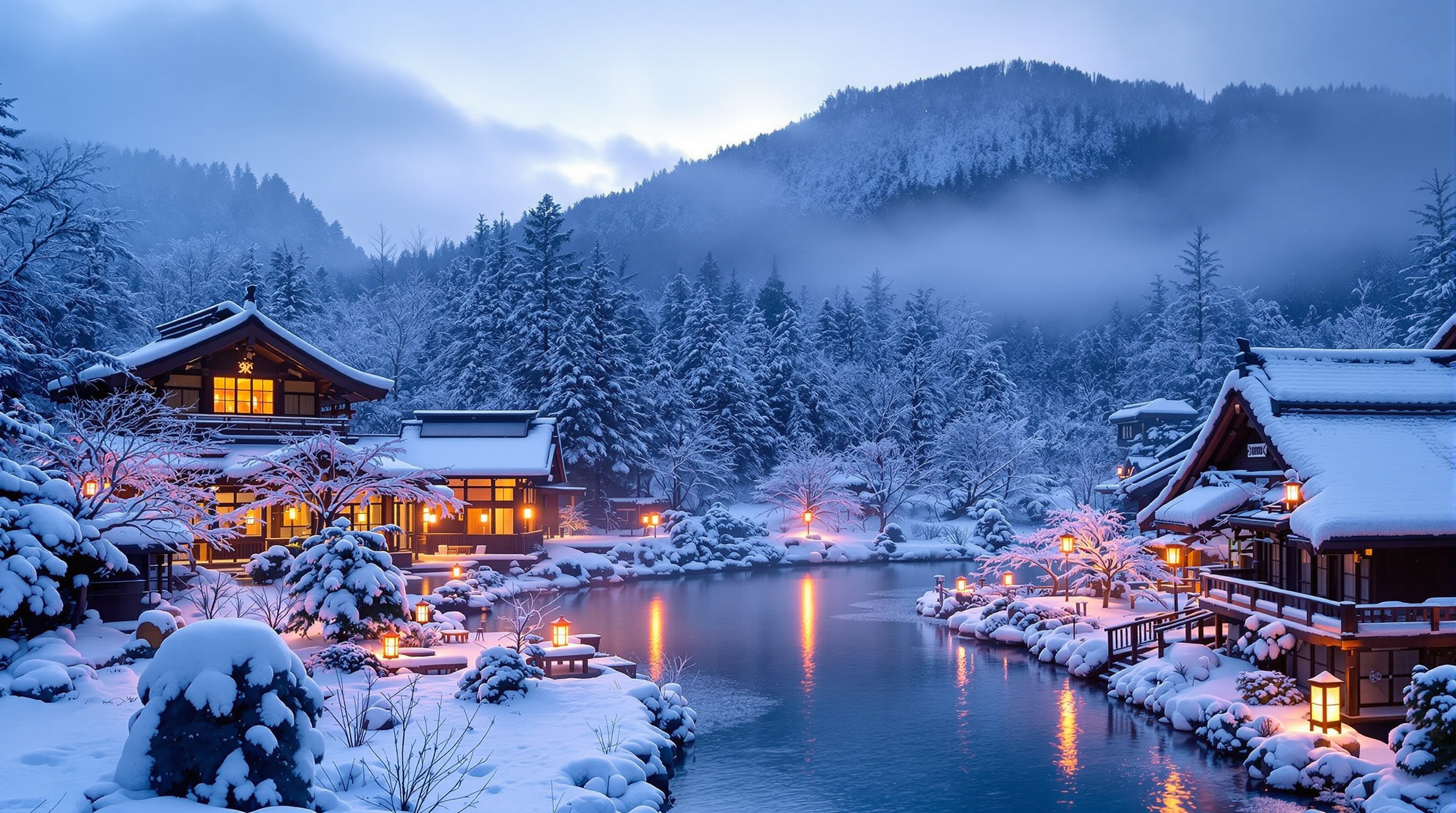
Tokyo and Kyoto receive 40 million visitors per year. But 300km north of Tokyo lies Tohoku — a region of sacred mountains, samurai cities, and mountain villages that most foreign visitors never reach. Yamadera temple clings to a cliff face above a misty valley. Dewa Sanzan's three sacred mountains are home to the yamabushi ascetic monks who have practiced there for 1,400 years. Kanazawa survived WWII bombing and preserves Japan's last intact geisha district. And Shirakawa-go's snow-covered farmhouses exist as they have since the 17th century. This is the Japan that changes people.
Tohoku's sacred mountains, yamabushi monks, and cliff temples receive a tiny fraction of Tokyo and Kyoto's visitors. You'll have Yamadera's misty valley almost entirely to yourself.
The Shirakawa-go gassho family farmhouse where you stay has housed the same family for 13 generations. The dinner is cooked on an open hearth that has burned continuously since 1750.
Kanazawa survived WWII and kept its geisha districts, samurai residences, and merchant lanes intact. Japan's most complete surviving Edo-period city — and few foreign visitors have heard of it.
We schedule Fushimi Inari for 5:30am, Kenroku-en at opening, and Yamadera on a weekday morning. You'll see the real Japan before the tour buses arrive.
Don't forget these important steps before you travel
Check visa requirements, fees, and processing times for your destination.
View Visa GuideProtect your trip with comprehensive coverage from ICICI Lombard & Aditya Birla.
Get InsuredCalculate exact premium for your trip dates, age group, and destination region.
Calculate PremiumTohoku's sacred mountains, Kanazawa's unspoiled Edo streets, and Shirakawa-go snow villages